

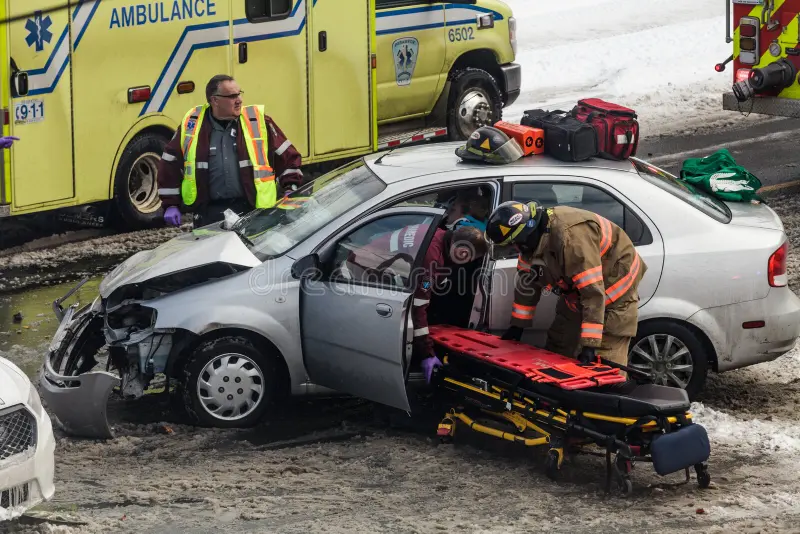
Alcohol and drug use is a major factor in car accidents across the country, and Idaho is no exception. Impaired driving significantly increases the risk of collisions and can have serious legal consequences. Understanding how alcohol and drugs affect liability in car accidents, the penalties involved, and the steps drivers can take to protect their rights is essential for anyone navigating the aftermath of a crash in Boise or elsewhere in Idaho.
How Impairment Increases Accident Risk
Driving under the influence of alcohol or drugs impairs judgment, reaction time, and motor skills. Even small amounts of alcohol can affect coordination and decision making, while drugs, whether prescription, over the counter, or illegal, can alter perception, alertness, and focus.
Impairment makes it harder to judge speed, distance, and traffic signals. This often leads to rear end collisions, intersection crashes, and other serious accidents. In addition to endangering the impaired driver, intoxicated driving puts passengers, pedestrians, and other motorists at risk.
Idaho Laws on Impaired Driving
Idaho has strict laws regarding driving under the influence. The state enforces a blood alcohol concentration (BAC) limit of 0.08 percent for drivers over 21. Drivers under 21 or commercial drivers may face lower legal limits.
In addition to alcohol, Idaho law prohibits driving under the influence of any drug that impairs the ability to operate a vehicle safely. This includes illegal substances, prescription medications that cause drowsiness or slowed reflexes, and over the counter medications with warning labels about drowsiness.
Law enforcement officers can administer breath, blood, or urine tests to determine impairment. Refusing a chemical test in Idaho can result in license suspension and other penalties under the state’s implied consent laws.
How Alcohol and Drugs Affect Liability
When alcohol or drugs are involved in a car accident, liability is often more clear cut. Impaired drivers are generally considered at fault because their actions directly contributed to the crash. This can simplify claims for victims but can also lead to increased legal consequences for the impaired driver.
In Idaho, comparative negligence rules still apply. If a partially impaired driver shares responsibility with another party, for example, if a sober driver was also speeding, the total compensation may be adjusted based on each party’s percentage of fault. However, impairment is typically a significant factor in determining liability.
Criminal and Civil Consequences
Drivers found to be impaired during a crash can face both criminal and civil consequences. Criminal penalties may include fines, jail time, probation, and license suspension. Aggravating factors, such as causing injury or death, can lead to felony charges and much harsher sentences.
Civil consequences involve liability for damages. The impaired driver may be responsible for medical expenses, property damage, lost wages, and pain and suffering for injured parties. Insurance companies often deny or reduce coverage for drivers who were intoxicated at the time of a crash, which can make personal financial liability more significant.
Evidence in Impaired Driving Cases
Evidence plays a key role in establishing impairment and liability. Police reports, breathalyzer or blood test results, witness statements, and dashcam or surveillance footage can all be used to show that a driver was under the influence.
Medical records documenting injuries and treatment costs also help establish the impact of the crash. Insurance companies use this evidence to determine fault and calculate damages. Understanding how evidence is evaluated can help accident victims navigate the claims process effectively.
Protecting Your Rights After an Impaired Driving Accident
If you are involved in a car accident where alcohol or drugs may have been a factor, it is important to document the scene and gather information. Take photos of vehicle damage, note road conditions, and collect contact information from witnesses. Seeking prompt medical attention ensures that injuries are properly recorded.
Familiarizing yourself with how Idaho handles car accident claims and liability can provide helpful context. Informational resources such as Attorneys of Idaho discuss general principles of accident claims and liability, helping drivers understand their options after a crash.
Conclusion
Alcohol and drugs significantly increase the risk of car accidents and influence how liability is determined in Idaho. Impaired drivers often face serious legal consequences, and victims may pursue compensation for medical bills, lost income, and other damages. Understanding state laws, documenting evidence, and seeking timely medical care are essential steps after any accident involving impairment. By staying informed and cautious, drivers in Boise and across Idaho can reduce the risks associated with impaired driving and better protect their rights in the event of a crash.
