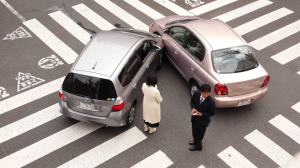
When crashes happen close to home, the legal decisions that follow are anything but routine. Neighborhood traffic patterns, hard-to-get rideshare data, and the realities of local insurance markets all shape outcomes. That’s where a Reseda Personal Injury Attorney with street-level knowledge makes a difference. HHT Law Firm has built its practice around Reseda’s roads and the San Fernando Valley’s commuter pulse, helping injured clients navigate complex claims with clear, timely strategy across rideshare, pedestrian, and multi-vehicle cases.
The growing importance of neighborhood-based legal counsel
Local counsel isn’t just convenient, it’s a strategic advantage. Injury cases often hinge on details that national hotlines and out-of-area firms miss: recurring collision hotspots, the rhythms of school drop-off zones, and subtle differences between intersections where drivers routinely roll right turns on red.
Why neighborhood context matters
- Faster scene recon: A firm close to Reseda can get investigators on-site quickly to capture skid marks, debris fields, and nearby camera angles before they’re lost.
- Hyperlocal evidence: Businesses along Reseda Blvd, Sherman Way, and Tampa Ave may overwrite footage within days. Lawyers who “know the block” know where to ask first.
- Jury and adjuster expectations: Insurers handling Valley claims develop patterns. Attorneys who negotiate with the same adjusters and defense counsel repeatedly understand what moves the dial in settlement talks.
California-specific leverage
- Pure comparative negligence: In California, a client’s compensation is reduced by their percentage of fault, not eliminated. Local attorneys identify facts, sun glare near west-facing corridors, frequent sudden stops by buses along the Orange Line corridor, that counter aggressive blame-shifting.
- Medical access: Knowing which Reseda and Valley providers can see patients quickly, accept liens, and document injuries comprehensively keeps care on track and strengthens damages proof.
Bottom line: Neighborhood-based counsel blends legal skill with on-the-ground intelligence, translating local knowledge into better-documented claims and stronger negotiating positions.
Multi-vehicle collision trends along key Reseda commuter routes
Reseda sits amid busy east–west and north–south arteries that see layered traffic: commuters, service vehicles, school traffic, and rideshare pickups. Multi-vehicle collisions, rear-end chains, T-bone cascades across two lanes, and sideswipes during lane changes, often concentrate where speeds, congestion, and turning volumes intersect.
Where and how pile-ups happen
- Reseda Blvd and Sherman Way: High turn volume plus frequent mid-block driveways create conflict points. One hard brake can ripple into a three-car rear-end.
- Tampa Ave to the 101 feeders: Merge and weave zones invite abrupt lane changes. Add rain or evening glare and visibility drops fast.
- Near schools and the Orange Line: Sudden pedestrian yields and bus stops compress traffic flow, increasing stop-and-go collisions.
Evidence that clarifies chain reactions
- Damage pattern mapping: Positioning of crush zones helps reconstruct sequence and relative speeds.
- EDR/telematics: Many vehicles store pre-impact speed and braking: rideshare vehicles often layer app-based GPS data.
- Angle and timing: Traffic light phase data from LADOT, plus any nearby business cameras, can show whether the first impact or a late entrant amplified damages.
For clients, the takeaway is simple: multi-car accidents aren’t just about “who hit whom.” They’re about momentum, timing, and context. A Reseda Personal Injury Attorney who understands local traffic rhythms can show why a third driver’s late merge, or a delivery van blocking a sightline, shifted fault and value.
Combining rideshare, pedestrian, and personal injury litigation strategies
Rideshare, pedestrian, and traditional auto claims demand different playbooks, but in Reseda, they often overlap. A Lyft pickup near a busy driveway, a pedestrian crossing at dusk, and a delivery car eager to make a yellow light: one scene, three insurance frameworks.
Rideshare phases and policies
Uber and Lyft coverage depends on app status:
- App off: Driver’s personal policy governs.
- App on, no ride accepted: Contingent liability applies, typically lower limits unless the driver’s policy steps in.
- En route or with passenger: Higher commercial limits activate, often the most significant coverage in the case.
Preserving app data, GPS tracks, and trip logs early is critical. Counsel should send preservation letters to rideshare companies within days, not weeks.
Pedestrian considerations
- Visibility and expectancy: Lighting, crosswalk design, and driver expectancy (e.g., mid-block crosswalks on wide corridors) shape liability.
- Comparative fault defenses: Insurers may argue dark clothing or mid-block crossing. Local counsel counters with roadway design, signal timing, and driver speed studies.
Weaving strategies together
- Multi-policy stacking: Coordinating liability, UM/UIM, med-pay, and potential third-party policies (employers, property owners for dangerous conditions) can unlock full value.
- Medical narrative coherence: Whether the client was a rider, walker, or driver, the injury story must connect mechanism of injury (e.g., lateral impact causing labral tear) to clinical findings.
HHT Law Firm integrates these threads into one case theory, aligning facts with coverage triggers so clients don’t leave policy limits on the table.
Settlement trends for moderate and severe injury categories
Every case is unique, but patterns do emerge, especially in urban corridors like Reseda where crash dynamics repeat. Settlement value turns on liability clarity, medical documentation, policy limits, and venue. Here’s how moderate versus severe injuries typically play out.
Moderate injuries
- Common profiles: Whiplash with positive imaging, concussion with lingering symptoms, non-displaced fractures, meniscus or labral tears, and multi-level sprains.
- Drivers of value: Objective findings (MRI-confirmed tears, nerve conduction studies), consistent treatment, work impact, and credible pain journaling.
- Typical outcomes: When liability is solid and policy limits are adequate, moderate cases often resolve within available limits without filing suit, especially if demonstrative evidence (day-in-the-life clips, treatment timelines) is strong.
Severe injuries
- Common profiles: Multiple fractures requiring ORIF, spinal injuries with radiculopathy, traumatic brain injury with cognitive deficits, complex regional pain syndrome, or significant scarring.
- Drivers of value: Life care plans, future surgery recommendations, vocational loss analyses, and testimony from treating specialists.
- Litigation posture: Severe cases more often require filing suit to access full value, force discovery of insurer reserves, and position for policy-limits tenders.
Practical realities in California
- Policy ceilings matter: Many drivers carry minimum limits. That makes early searches for umbrella coverage, employer policies (if the at-fault driver was on the job), or rideshare commercial coverage essential.
- Comparative negligence: Even partial fault doesn’t end a claim: it adjusts it. Clear accident reconstruction helps resist unfair reductions.
A seasoned Reseda Personal Injury Attorney frames damages with precision, tying medical facts to daily-life impact, so moderate injuries don’t get minimized and severe injuries get the long-horizon valuation they deserve.